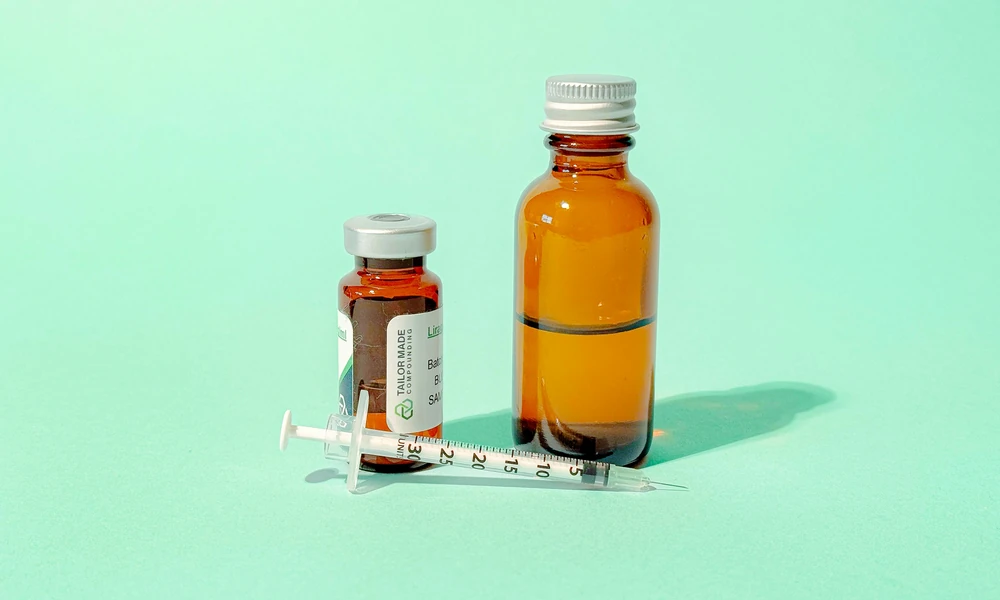
When reviewing glutathione peptide, product quality requires more than checking a stated amount. Laboratory standards, ingredient suitability, sterile production, and supporting records all matter.People searching this topic often want clear information about testing, sourcing, and product verification.A structured review helps separate measurable product details from broader safety claims.Without that structure, certificates or purity numbers can create a misleading sense of certainty.Current FDA alerts show that injectable glutathione has raised specific quality concerns.
Check Quality Controls
A structured assessment should examine several quality elements rather than one reported number.
- Confirm the exact batch number shown on product documentation.
- Review whether testing applies to the supplied material.
- Check whether ingredients are suitable for sterile injectable production.
- Examine certificates for clear laboratory identification and dates.
- Verify storage information against documented product requirements.
- Review packaging details for signs of damage or contamination.
- Consider whether the supplier explains its quality control process.
- Separate analytical findings from claims about medical effectiveness.
Examine Injectable Suitability
Glutathione peptide requires a higher quality standard than material intended for non injectable use. Dietary supplement grade ingredients should not automatically be treated as suitable for sterile injection. FDA specifically warned against using dietary supplement grade glutathione to compound injectable drugs.
This distinction is especially important because contaminants such as endotoxins can cause serious reactions. FDA has reported fever, chills, low blood pressure, and other adverse events connected with affected compounded products.
Build A Practical Review
A consistent review can reduce mistakes during product assessment.
- Begin with the product label and batch information.
- Match certificates against the specific supplied material.
- Review testing methods before interpreting reported results.
- Check whether the ingredient grade suits injectable production.
- Examine storage instructions and packaging condition carefully.
- Separate laboratory evidence from claims about health effects.
Why Quality Checks Often Fail?
Many reviews focus too heavily on purity percentages. A high reported purity figure does not establish complete injectable safety. Product quality also depends on sourcing, formulation, sterile controls, and contamination prevention.
Current FDA alerts illustrate this limitation. In August 2026, the agency reported adverse events involving compounded intravenous glutathione and warned that supplement-grade material was inappropriate for injectable drug preparation.
Frequently Asked Questions
- Does a purity certificate prove injectable safety?No. Purity testing does not replace appropriate sterile manufacturing and contamination controls.
- Why does ingredient grade matter?Material intended for supplements may not meet requirements for sterile injectable production.
- Should batch numbers be checked?Yes. Matching batch information helps connect physical material with laboratory documentation.
- Can testing alone confirm product quality?No. FDA states that quality must be controlled throughout the production process.
- Does glutathione injection have proven cosmetic benefits?Current evidence remains limited for routine intravenous use for cosmetic skin lightening.
Reliable evaluation comes from consistent checks rather than one impressive laboratory number. Product identity, ingredient suitability, testing, sterile controls, and documentation should remain connected throughout the review. A careful process gives clearer information while avoiding claims that the available evidence cannot support.