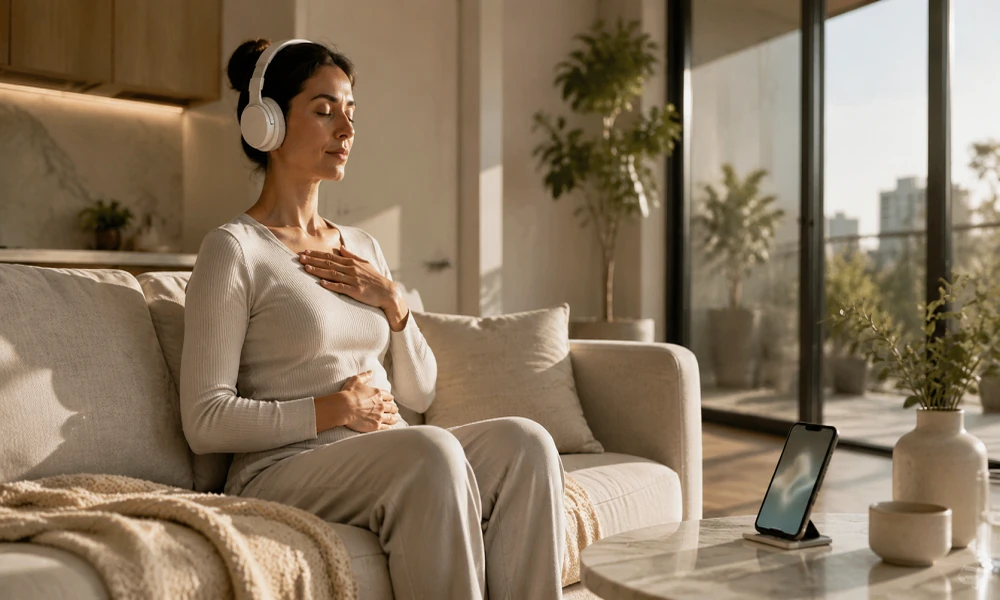
Modern life rarely waits for the perfect moment to pause. Work, travel, and constant notifications can make quiet minutes difficult to protect. Yet the breath is always present. Guided digital practice can turn that familiar resource into a simple ritual that fits naturally into the day.
For people seeking a thoughtful breathwork app, Op e n brings breath, meditation, music, sound, and movement into an immersive practice. Guidance removes much of the guesswork, while flexible access makes it easier to return at home, between meetings, or while away.
Why Guided Breathing Can Feel More Approachable
Breathing happens automatically, but practicing with intention is a learned skill. Beginners may wonder how quickly to breathe, how long to continue, or whether they are following a technique correctly. A well-designed session provides pacing, verbal cues, and a defined beginning and end.
Rather than forcing thoughts away, the practitioner can notice distraction and follow the next breath.
The National Center for Complementary and Integrative Health includes slow, deep diaphragmatic breathing among relaxation techniques. It also notes that evidence differs by technique and condition. Breath practice is a supportive wellbeing tool, not a replacement for medical or mental-health care.
Creating Space for Calm
A guided session can provide a useful transition between parts of the day. A gentle morning practice may create a deliberate start. A short pause after work can mark the shift into personal time, while quieter evening breathing can become part of a wind-down routine.
Research offers encouraging, though not universal, findings. A 2023 review of breathing practices reported that breath regulation may support stress and anxiety reduction, while emphasizing that methods and study quality vary. Individual responses differ too. The aim is not to manufacture a feeling, but to notice what changes when attention settles on a guided rhythm.

Supporting Focus in Everyday Moments
Focus does not always require a long retreat. Sometimes it begins with an interruption to automatic momentum. Following a pattern for several minutes may help someone step out of mental clutter and return to a task with clearer direction.
Digital access makes that pause easier to place where it is needed: before a presentation, during a study break, after a commute, or while traveling. The most useful practice is often the one that works under real conditions.
Different class lengths and styles also leave room to choose an energizing session when attention feels dull or a slower practice when the day feels overstimulating.
Building a Practice That Lasts
Consistency grows from realistic expectations. Beginners can choose one dependable cue: after waking, before opening email, or when the workday ends. Even a brief session can establish the habit of returning.
A simple check-in before and after each class can help. Notice breathing pace, muscle tension, energy, and attention without scoring the experience. Over time, this reveals which teachers, techniques, and durations feel supportive.
Variety can keep practice engaging, but repeating one accessible session for several days builds familiarity. Later, breathing can be paired with meditation or mindful movement to create a broader routine.
Choosing Guidance with Care
A useful platform should offer clear instruction, qualified teachers, different experience levels, and sessions that fit everyday schedules. Its tone should feel invitational rather than demanding. Good guidance encourages comfortable modifications instead of treating intensity as the goal.
Not every technique suits every person. Rapid or forceful breathing can cause uncomfortable sensations, and the NCCIH notes that relaxation practices can occasionally increase anxiety or distress. Anyone who feels dizzy, unwell, or overwhelmed should stop and return to normal breathing. People with health concerns should consult a qualified healthcare professional before beginning.
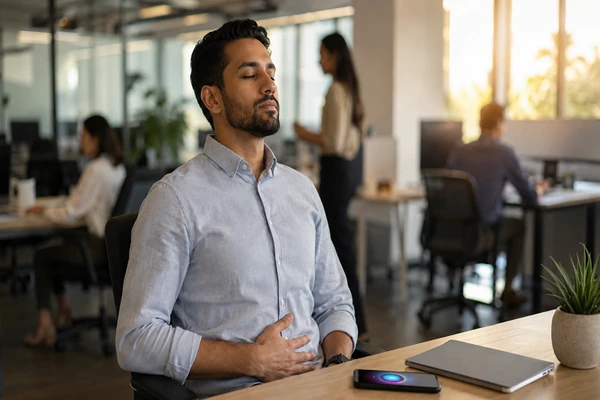
Find Your Way Back to the Present with Op e n
Op e n offers digital and in-person experiences combining breathwork, meditation, movement, music, and sound. Its guided format makes mindful practice sensory, engaging, and available beyond a traditional studio.
Explore Op e n, choose a class that matches the moment, and begin with the time available today. A sustainable practice does not need to be perfect or lengthy. It only needs a clear place to start and a welcoming way to return.
Frequently Asked Questions
Is guided breathwork suitable for beginners?
Many guided sessions support different experience levels. Beginners should choose gentle instruction, keep the breath comfortable, and avoid forcing a pace or hold.
How long should a breathwork session be?
There is no ideal duration. A brief session can support consistency, while a longer class allows more time to settle. The best length feels manageable and can be repeated.
Can breathwork replace therapy or medical treatment?
No. It may complement a wellbeing routine, but it should not replace professional diagnosis, therapy, medication, or prescribed care.