Breast cancer is often viewed as a condition that affects only women, but men can develop it too. Because it is rare and less widely discussed, men may overlook changes in their chest or delay seeking medical advice. Raising awareness can help individuals recognise possible signs, understand their personal risk and find support when they need it.
Male breast cancer accounts for fewer than one in 100 breast cancer cases in the United States, according to the National Cancer Institute. While uncommon, it can affect men of different ages and backgrounds. Early attention to unusual symptoms is an important part of achieving a timely diagnosis.
Understanding Male Breast Cancer
Men have a small amount of breast tissue, including ducts where breast cancer can begin. The most common form is ductal carcinoma, which starts in these ducts.
A change in the breast area does not always mean cancer. For example, gynecomastia can cause non-cancerous enlargement of breast tissue. However, no one should assume that a lump or nipple change is harmless. A healthcare professional can investigate the cause and recommend any necessary tests.
Symptoms That Should Not Be Ignored
The most common sign of male breast cancer is a lump or thickening in or near the breast. Other possible symptoms include:
- Swelling in the breast or underarm area
- Red, scaly or irritated skin on the breast or nipple
- Skin dimpling or a change in texture
- A nipple that turns inward or changes shape
- Clear or bloody discharge from the nipple
- Ongoing pain or an unexplained sore around the breast or nipple
These signs can be caused by other health conditions, but they should always be checked by a doctor. Prompt assessment does not mean assuming the worst. It means taking a sensible step towards getting clear answers.
Risk Factors for Men
There is not always one clear reason why male breast cancer develops. However, certain factors can increase risk.
Age and Family History
Risk generally increases with age. A family history of breast, ovarian, pancreatic or prostate cancer may also be relevant, especially when several close relatives have been affected.
Talking openly with a doctor about family history can help identify whether genetic counselling or additional monitoring may be appropriate.
BRCA and Other Inherited Gene Changes
Inherited changes in the BRCA1 and BRCA2 genes can increase the risk of breast cancer in men. These gene changes may also be linked to other cancers, making family awareness particularly important.
For men with a known family mutation or a strong family cancer history, a healthcare professional or genetic counsellor can explain whether testing may be useful and what the results could mean.
Other Health Factors
Previous radiation treatment to the chest, certain testicular conditions, liver disease, Klinefelter syndrome and obesity are among the factors associated with higher risk. Having a risk factor does not mean someone will develop breast cancer, but it may be worth discussing with a doctor.
Diagnosis and Treatment
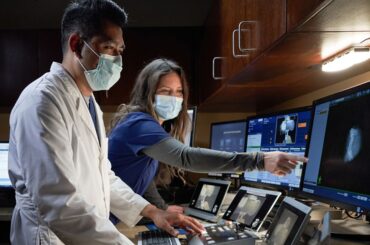
When a doctor investigates a breast change, they may perform a physical examination and ask about symptoms, medical history and family history. Imaging tests, such as an ultrasound or mammogram, may be used to examine the area more closely.
If needed, a biopsy can determine whether cancer cells are present. If cancer is diagnosed, the healthcare team will use further tests to understand its stage and features.
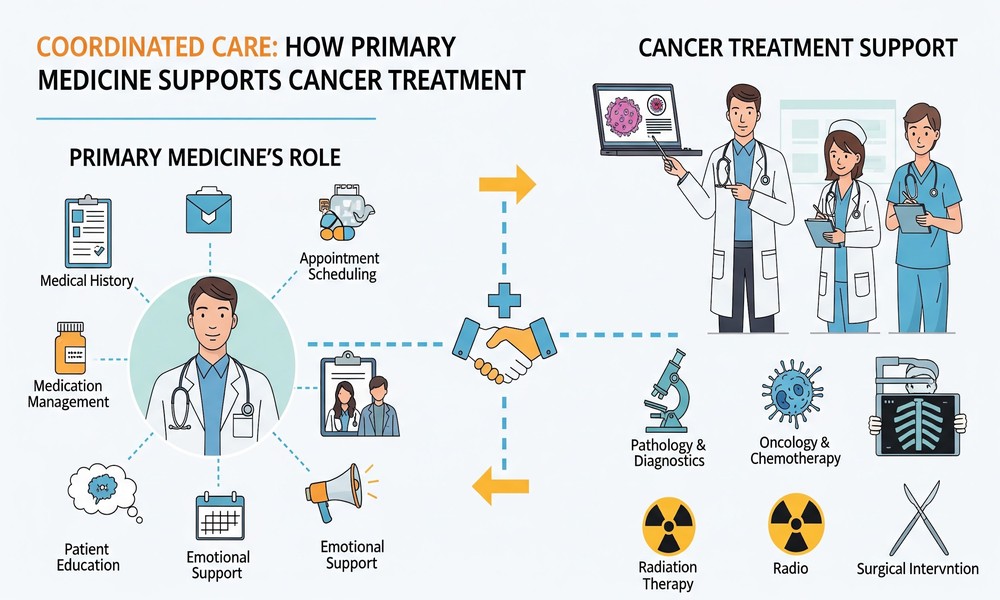
Treatment depends on the individual diagnosis. It may include surgery, hormone therapy, radiation therapy, chemotherapy, targeted therapy or a combination of treatments. A personalised treatment plan should always be discussed with the relevant medical specialists.
The Value of Education and Community Support
A diagnosis of breast cancer can be emotionally difficult, and men may feel isolated because public awareness is often limited. Access to accurate information and a supportive community can help people feel less alone while navigating diagnosis, treatment and survivorship.
Male Breast Cancer awareness resources from HIS Breast Cancer Awareness focus specifically on male breast cancer and hereditary cancer in men. The nonprofit organisation offers educational materials on symptoms, risk factors, screening, treatment, BRCA and BRCA2 genetics, survivorship and advocacy. It also provides a support community, blog content, research information and resources for men and families affected by the disease.
The organisation was founded by breast cancer survivors Harvey Singer and Vicki Wolf, who are both BRCA2 mutation carriers. Its mission is centred on improving awareness, early detection, support and research for men affected by breast cancer.
Frequently Asked Questions
Can men really get breast cancer?
Yes. Men have breast tissue and can develop breast cancer, although it is much less common than breast cancer in women.
What is the most common symptom?
A lump or thickening in or near the breast is the most common symptom. Nipple discharge, skin changes and swelling should also be checked by a doctor.
Is every breast lump in a man cancer?
No. Many breast changes are caused by non-cancerous conditions. However, any new or unexplained lump should be assessed by a healthcare professional.
Should men with a family history of breast cancer get genetic advice?
It may be appropriate, particularly if there is a known BRCA mutation or multiple cases of breast, ovarian, pancreatic or prostate cancer in close relatives. A doctor or genetic counsellor can provide individual guidance.
Conclusion
Male breast cancer is rare, but awareness can make a real difference. Knowing the possible symptoms, understanding family risk and seeking medical advice for unusual changes can support earlier diagnosis. Education, compassionate support and reliable resources also help ensure that men affected by the disease do not face it alone.