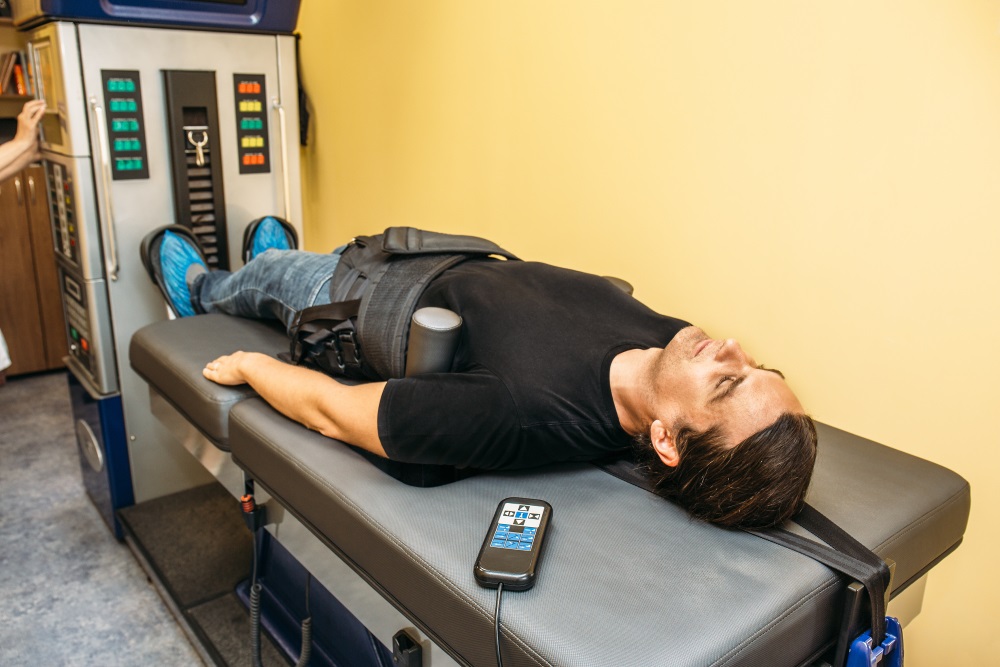
Back pain can arise from many different causes, and symptoms alone cannot confirm the source. A herniated disc may cause pain or nerve-related symptoms when disc material affects nearby structures, but similar symptoms can occur with other spinal conditions. Anyone experiencing persistent or concerning symptoms should seek appropriate medical assessment.
Knowing what to discuss with a doctor for your back problem makes a consultation more useful. Rather than focusing on one symptom in isolation, consider how the discomfort started, where it occurs and whether it affects movement or sensation. These six signs deserve attention, particularly when they persist or interfere with daily activities.
1. Pain That Travels Along a Limb
One symptom worth discussing is pain that extends from the back into the buttock, thigh, leg or foot. A herniated disc can sometimes irritate or compress a nerve, producing pain beyond the immediate area of the spine.
The pattern can provide useful information during an assessment. Tell the doctor where the pain begins and how far it travels. Note if certain positions, movements, coughing or sneezing appear to change the discomfort.
Do not assume that radiating pain automatically means a herniated disc. Several conditions can produce similar patterns, so a professional examination is important.
The duration also matters. Brief discomfort following strenuous activity may differ from pain that continues or becomes increasingly disruptive.
2. Numbness or Tingling
Changes in sensation can occur when a spinal nerve becomes irritated. You may notice tingling, pins and needles or reduced sensation in an area of the leg, foot, arm or hand, depending on the location involved.
Describe the exact area affected during your appointment. It can help to note when the sensation appears and if it remains constant or comes and goes.
A doctor may assess sensation and other neurological functions during the examination. Further investigations may be considered based on the symptoms and clinical findings.
Avoid ignoring persistent numbness simply because it is not painful. Changes in sensation can still warrant assessment.
3. Weakness in an Arm or Leg
Muscle weakness is another symptom that deserves attention. You may notice difficulty lifting the foot, standing on your toes, gripping an object or performing an activity that previously felt straightforward.
Explain what has changed rather than simply describing the limb as weak. For example, mention if you are stumbling, dropping objects or struggling with a familiar movement.
Weakness can have many causes, so it should not be self-diagnosed as a herniated disc. A medical assessment can help determine what may be contributing to the change.
If weakness develops suddenly or becomes severe, seek urgent medical attention.
4. Back Pain That Persists
Back pain that does not settle with reasonable self-care deserves professional review, particularly when it affects sleep, work, mobility or everyday activities.
Keep track of how long the discomfort has lasted and whether it is improving, staying the same or worsening. Mention any recent injury, lifting incident or change in activity.
Persistent symptoms do not necessarily indicate a serious spinal problem. However, a doctor can assess the symptoms in context and determine whether further investigation is appropriate.
A consultation with a doctor for your back problem can also help distinguish symptoms requiring active treatment from those that may improve with conservative care.
5. Symptoms That Affect Movement
Changes in movement can provide another reason to seek assessment. You may find that bending, sitting, standing or walking becomes difficult because of pain or stiffness.
Describe which activities are affected and how your ability has changed. This information can help the doctor understand the practical impact of the problem.
Avoid repeatedly testing a painful movement simply to determine if the symptoms remain. If an activity causes significant discomfort, modify it until you receive appropriate advice.
The goal of assessment is to understand the symptoms without unnecessarily aggravating them.
6. Changes That Include Warning Signs
Some symptoms require more urgent attention. Seek prompt medical care if back symptoms occur with significant or rapidly worsening weakness, loss of bladder or bowel control, numbness around the groin or inner thighs, or difficulty walking.
These symptoms can indicate a serious neurological problem and should not wait for a routine appointment.
Severe back pain following a major accident or injury also warrants prompt assessment. Similarly, fever or feeling significantly unwell alongside severe spinal symptoms should be discussed with a medical professional.
Key Signs
Before speaking with a doctor for your back problem, make a note of:
- Where the pain begins and travels
- Areas of numbness or tingling
- Any changes in strength
- How long symptoms have lasted
- Activities that have become difficult
- Changes in bladder or bowel control
- Significant injury or other concerning symptoms
A herniated disc is one possible explanation for certain back and nerve symptoms, but only an appropriate clinical assessment can determine what may be happening. Recording the pattern and progression of symptoms can help you provide clearer information during an appointment.
Make an appointment at Achieve Spine & Orthopaedic Centre to discuss persistent or concerning spinal symptoms and arrange an appropriate assessment.