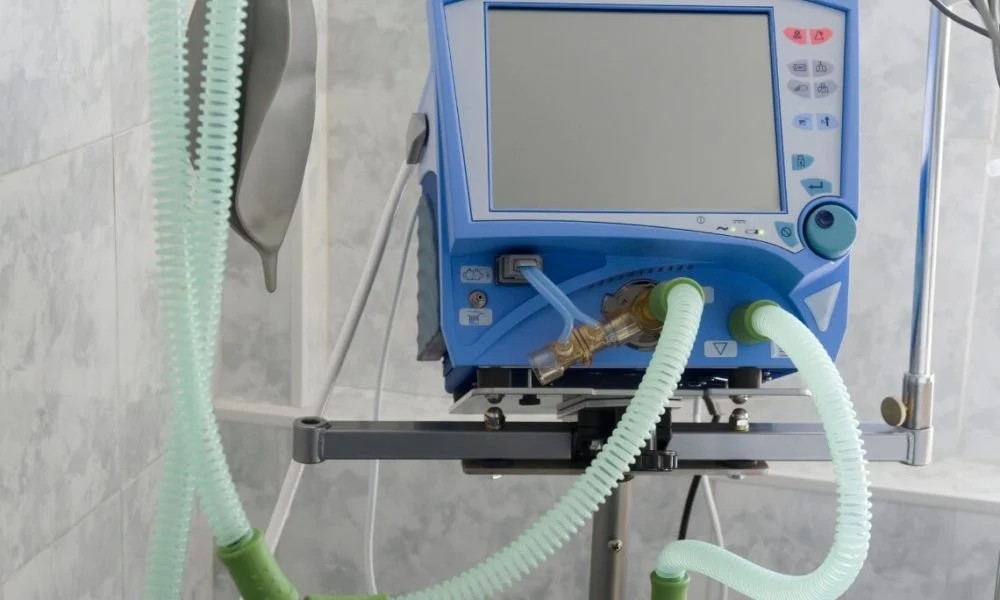
There are different types of ventilators used in modern respiratory care today. Two that are commonly discussed options are oxygen jet ventilators and traditional ventilators. Both serve the same purpose – to provide ventilation support for patients who cannot breathe adequately on their own.
Traditional Ventilators
These are the most common ventilators that you find in the hospital intensive care units. Also known as “mechanical ventilators,” these are designed for continuous and long-term respiratory support. The ventilator can deliver controlled breaths. This is ideal for extended usage. These ventilators will allow healthcare providers to regulate the parameters. That’s why they are suitable for providing support for chronic or severe respiratory conditions.
Oxygen Jet Ventilators
This type of ventilator is a specialized medical device. They are specifically designed to deliver short bursts of high-pressure oxygen directly into the patient’s airway. This ventilator is primarily used in emergency and short-term cases. It has the capacity to deliver rapid oxygenation. These ventilators are often found in ambulances and emergency rooms. They are also used in operating rooms used for immediate respiratory support.
Understanding the Differences
Both options have unique characteristics. Know how they differ from each other before you shop oxygen jet ventilators online. This is essential for choosing the right device to be used in critical airway situations.
Functionality
How oxygen is delivered to the patient’s airway is the main difference between the traditional and jet ventilators.
- Oxygen Jet Ventilators. Can provide high-pressure pulses of oxygen. This is ideal for emergencies where quick lung inflation is needed.
- Traditional Ventilators. Can deliver steady and controlled breaths. This mimics natural breathing patterns. This is ideal for long-term respiratory care.
Usage and Application
Oxygen jet ventilators are typically recommended for short-term use. This is ideal for high-pressure airway situations. However, these are not intended for long-term use. Traditional ventilators are the ones that are best for continuous usage. They are best for ongoing respiratory support.
Portability and Design
This is another factor to consider when choosing a ventilator. You have to consider how this will be used. Oxygen jet ventilators are easy to transport. It’s ideal for pre-hospital care. That’s why this is always present in ambulances.
Traditional ventilators, on the other hand, are usually larger. They are more complex than the portable ones. These ventilators are designed for hospital settings. This is what the patient uses once they are brought to the hospital.
Ease of Use
This is another factor that differentiates the two ventilators. Oxygen jet ventilators are relatively simple to deploy. This is designed with easy instructions so trained medical personnel can use them quickly in urgent situations. Traditional ventilators, however, are more complex. They have advanced controls and features. These ventilators also require specialized training before medical personnel can use them.
Conclusion
Both ventilators play an important role in critical scenarios. Each type has a specific purpose. This helps healthcare providers choose the most appropriate device to use. This ensures effective treatment to improve patient outcomes.