Serious illnesses reshape emotional and physical stability rapidly. Families often seek guidance during uncertain therapeutic decisions. In cancer center bangkok facilities, specialists coordinate advanced restorative support. Through collaborative planning, physicians address challenging diagnostic complications carefully.
Integrated Oncology Planning Approaches
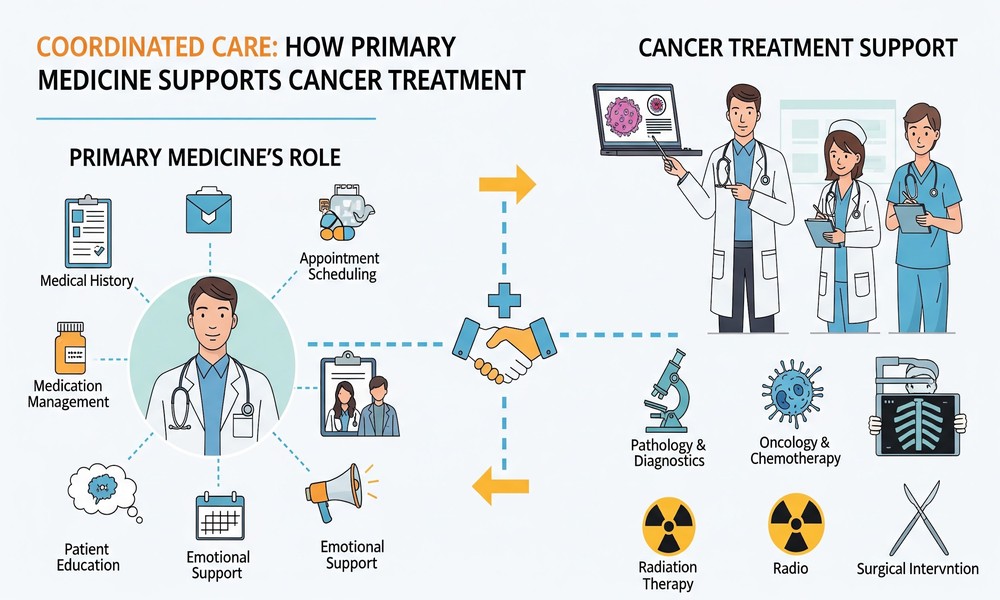
Complex medical conditions often require expertise from multiple healthcare disciplines. Surgeons carefully review pathology findings alongside imaging specialists to understand the patient’s condition and determine appropriate treatment options. During consultations, rehabilitation professionals assess potential mobility challenges and develop strategies to support recovery. In cases involving persistent discomfort, a multidisciplinary pain care clinic may also play an important role in coordinating treatment and addressing pain-related concerns. This collaborative approach improves treatment planning, supports informed medical decisions, and helps healthcare professionals deliver more comprehensive patient care.
Although conditions vary, coordinated planning strengthens patient confidence considerably. For example, nutritional guidance sometimes begins before surgical preparation stages. Early intervention reduces unnecessary physical weakness during therapeutic recovery.
- Multi specialist diagnostic coordination
- Preoperative rehabilitation counselling support
- Detailed imaging review discussions
Advanced Therapeutic Technologies Available
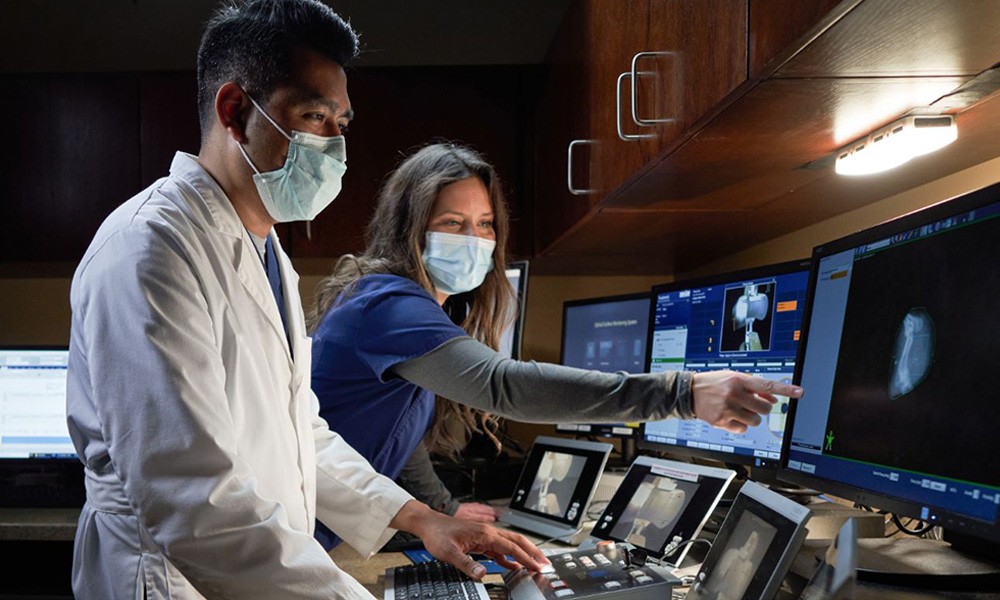
Modern technology improves precision during sensitive intervention procedures. Sophisticated imaging equipment identifies affected tissue regions accurately. Through focused targeting, physicians reduce damage surrounding delicate organs. Enhanced methods also shorten recovery periods following intervention sessions.
In contrast, outdated approaches often increase surrounding tissue complications. Robotic surgical systems support finer movement during difficult procedures. Targeted radiation equipment also minimizes unnecessary physical strain afterward.
- Precision guided radiation supports healthier tissue preservation
- Robotic surgical equipment improves delicate procedural movement significantly
- Molecular testing identifies personalized therapeutic response possibilities accurately
- Digital imaging systems strengthen diagnostic evaluation efficiency
- Advanced pathology laboratories examine microscopic disease progression carefully
Following intervention, specialists monitor physical recovery carefully afterward. Regular assessments help physicians identify complications before escalation occurs.
Nutrition And Recovery Guidance
Balanced nutrition strengthens physical endurance during therapeutic recovery stages. Appetite reduction occasionally interrupts healthy eating habits severely. Therefore, diet specialists recommend manageable portions supporting energy restoration. Tailored meal planning also reduces digestive irritation during recovery.
- Protein focused meals encourage tissue restoration
- Hydration practices maintain healthier physical balance levels
- Vitamin rich ingredients support immune response functions
- Smaller servings reduce digestive discomfort considerably
- Soft textured foods improve swallowing comfort
Recovery supervision continues alongside nutritional adjustments throughout rehabilitation phases. Physical resilience improves through carefully monitored dietary support strategies.
Personalized Rehabilitation Services Matter
Every recovery journey develops through unique therapeutic circumstances carefully. Some individuals require movement therapy following surgical intervention procedures. Others benefit from respiratory rehabilitation after intensive therapeutic sessions. Therefore, specialists design personalizedprogrammes supporting gradual physical improvement.
Within coordinated facilities, cancer center bangkok professionals supervise restorative progress attentively. Tailored exercises strengthen mobility during physically challenging recovery periods. Speech therapy also assists individuals following complex oral procedures.
- Balance focused mobility exercises
- Respiratory strengthening rehabilitation guidance carefully
- Speech recovery support services
- Pain management consultation strategies
- Joint flexibility improvement techniques carefully monitored
What Strengthens Long Term Recovery?
Lasting improvement depends upon ongoing professional supervision throughout rehabilitation. Regular evaluations identify complications before conditions worsen significantly. Through preventive monitoring, physicians modify therapeutic strategies whenever required. Such responsiveness improves physical stability during extended restorative journeys.
Social encouragement also shapes emotional resilience during vulnerable circumstances. Supportive relatives often motivate healthier lifestyle adjustments during recovery. Strong medical partnerships encourage confidence throughout uncertain therapeutic experiences. Gradual improvement therefore becomes achievable through coordinated multidisciplinary care.