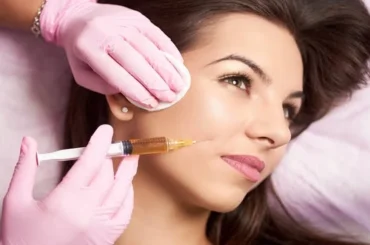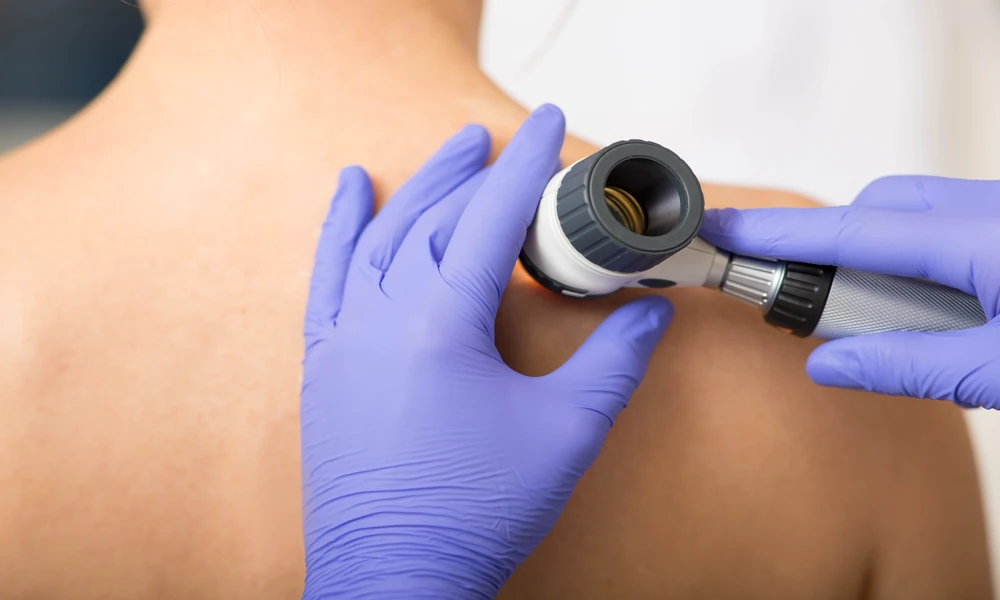
Environmental elements, aging, and daily stress wear down the skin over time. The outer protective barrier loses its ability to shed old cells quickly. This leads to a dull, rough texture and visible unevenness. When people search for ways to fix this, they are looking for reliable methods to repair the surface structure. You can visit site resources to view clinical evidence on how precise adjustments restore health to compromised cells.
Many individuals try to address these surface issues by guessing or using random products. This lack of structure leads to skin irritation or wasted effort. Without a clear plan, it is difficult to know which method actually improves the underlying tissue.
The Necessity of Structured Skin Modification
Relying on instinct often worsens skin damage. A systematic approach ensures that you apply the right care at the correct stage of tissue recovery. This eliminates guesswork and protects the delicate dermal barrier from over-processing.
- Controlled modification stabilizes cellular turnover cycles regularly.
- Precise ingredient selection addresses specific structural deficits directly.
- Measured application intervals prevent chronic inflammation and redness.
- Baseline tracking reveals whether the current plan works effectively.
Chemical Refinement for Textural Uniformity
This method uses mildly acidic solutions to dissolve the microscopic bonds holding dead cells together. Removing the top layer forces the body to produce fresh tissue sooner. In real conditions, this smoothest out rough patches and fades minor discolorations within a few weeks.
However, a realistic difficulty is managing skin sensitivity. If the formula is too strong, it can temporarily weaken the natural moisture barrier and cause flaking.
Micro-Mechanical Surface Smoothing
Mechanical adjustment physically lifts away redundant tissue using fine specialized tools or particles. This process instantly triggers a localized healing response that boosts blood flow to the area. It works well for individuals with stubborn, non-sensitive skin types who need immediate textural improvement.
The limitation here is human error. Applying too much pressure during the process can create micro-tears on the surface, which invites bacteria.
Deep Cellular Hydration Adjustments
Repairing damage is not just about removal; it requires structural replenishment. This approach introduces low-molecular-weight moisture binders that penetrate past the surface. When you visit site portals specialized in dermatology, you learn that proper fluid balance is essential for natural cell shedding.
The primary challenge is consistency. Hyaluronic compounds hold moisture well, but their effects disappear quickly if environmental humidity changes drastically.
A Practical Step-by-Step Restoration Plan
- Evaluate your current baseline damage under a neutral, bright light.
- Select one mild resurfacing method to avoid overwhelming the tissue.
- Apply the chosen technique once per week to monitor initial tolerance.
- Follow every session immediately with a barrier repair cream.
- Document visual changes every fourteen days to adjust the frequency.
Why Surface Restoration Efforts Often Fail?
Many people struggle to achieve clear tissue because they expect overnight transformations. They switch products too quickly before the skin completes its natural twenty-eight-day renewal cycle. Another common mistake is mixing conflicting active ingredients simultaneously, which neutralizes the benefits. Furthermore, changing weather conditions, like dry winter air or intense summer heat, alter how the skin responds to the exact same routine.
The Role of Long-Term Monitoring
Real progress comes from steady, repeatable behaviour rather than aggressive short-term treatments. Reviewing your skin’s condition every month allows you to make minor, safe calibration updates. Discipline in application prevents the cycle of damage and recovery, leading to sustained tissue strength over several months.
Frequently Asked Questions
- How long does it take to see a visible change in tissue quality? Initial textural smoothness often appears within two weeks, but structural color and firmness changes require at least two full cellular cycles.
- Can I combine mechanical and chemical methods? No. Combining them simultaneously over-exfoliates the surface, which destroys the lipid barrier and causes prolonged irritation.
- What should I do if my skin turns red after an adjustment? Stop all active steps immediately, apply a plain petroleum-based emollient, and allow the tissue to rest for four days.
Sustained skin health depends entirely on execution and patience. True improvement happens through small, steady actions rather than chasing flawless results in a single week. Focus on maintaining a stable routine, protecting the surface, and letting the tissue regenerate naturally over time.