Key Takeaways
- Dynamic wrinkles appear when facial muscles repeatedly move the overlying skin during expressions such as smiling, frowning and squinting.
- Over time, some dynamic lines may become visible even when the face is at rest, developing into static wrinkles.
- Wrinkle patterns differ across the forehead, eye area, mouth and other facial regions because muscle activity, skin characteristics and mechanical forces vary.
- Age-related changes in collagen, elastin and hydration can reduce the skin’s ability to recover after repeated movement.
- Treatments and skincare approaches should account for the causes and characteristics of wrinkles rather than treating all facial lines as the same.
Introduction
Facial expressions require coordinated muscle contractions that repeatedly fold, stretch and compress the skin. These movements are essential for communication, but repeated mechanical stress contributes to the formation of certain facial wrinkles over time.
Wrinkle development is also influenced by intrinsic ageing and external factors such as ultraviolet (UV) exposure and smoking. Understanding how movement interacts with changes in skin structure helps explain why dynamic and static wrinkles develop differently and why approaches such as an HA skin booster or PDLLA Skin Booster are generally discussed in relation to skin quality rather than facial muscle movement itself.
How Do Repeated Facial Expressions Cause Dynamic Wrinkles?
Dynamic wrinkles are lines that become more noticeable when facial muscles contract. Repeated expressions cause the skin above these muscles to fold along similar patterns.
Common examples include:
- Forehead lines: Often become prominent when the eyebrows are raised.
- Frown lines: Develop between the eyebrows during repeated frowning or concentration.
- Crow’s feet: Form around the outer corners of the eyes during smiling and squinting.
- Expression lines around the mouth: May become more noticeable with repeated lip and mouth movements.
Younger skin generally has greater elasticity and can return towards its resting position after movement. As structural components of the skin change with age, repeated folds can become increasingly noticeable.
In summary, dynamic wrinkles are closely linked to muscle-driven facial movement and are most apparent during expression. This repeated mechanical action also helps explain how some lines eventually remain visible at rest.
How Do Dynamic Wrinkles Develop Into Static Wrinkles Over Time?
Static wrinkles remain visible when the facial muscles are relaxed. They can develop where repeated dynamic folding occurs alongside gradual structural changes within the skin.
Several processes can contribute to this transition:
- Repeated folding continually places mechanical stress on particular areas.
- Collagen and elastin change with intrinsic ageing, reducing structural support and elasticity.
- UV radiation accelerates changes in collagen and other components of the extracellular matrix.
- Reduced hydration can make fine lines appear more pronounced.
- Smoking and other environmental exposures can contribute to premature skin ageing.
The distinction between dynamic and static wrinkles is therefore not always absolute. A line may initially appear primarily during expression before becoming increasingly noticeable while the face is resting.
This progression shows that facial movement is only one part of wrinkle formation. The condition of the skin itself determines how effectively it accommodates repeated movement.
Why Do Wrinkles Develop Differently Across Facial Areas?
Different areas of the face experience different combinations of muscle activity, skin thickness and mechanical stress. As a result, wrinkle location and appearance are not uniform.
| Facial area | Common movement | Typical wrinkle pattern |
| Forehead | Raising the eyebrows | Horizontal forehead lines |
| Between eyebrows | Frowning | Vertical glabellar lines |
| Outer eye area | Smiling and squinting | Crow’s feet |
| Nose area | Facial expressions involving the nose | Short expression lines |
| Mouth area | Speaking, smiling and lip movement | Lines around the lips and mouth |
The skin around the eyes, for example, is relatively thin and undergoes frequent movement from blinking, squinting and smiling. The forehead experiences different mechanical forces because of the action of muscles involved in eyebrow movement.
Wrinkle patterns therefore reflect local anatomy as well as repeated expression. These differences lead directly to another important factor: the quality and structural condition of the skin in each area.
How Does Skin Quality Affect the Development and Progression of Wrinkles?
Skin quality influences how the face responds to repeated stretching, folding and compression. Collagen provides structural support, while elastin contributes to the skin’s ability to recover after deformation.
Several characteristics can affect how wrinkles appear:
- Elasticity: Reduced elasticity can make expression lines slower to disappear after muscles relax.
- Collagen structure: Ageing and UV exposure can reduce structural support within the dermis.
- Hydration: Adequate water content supports normal skin function and can affect the visible appearance of fine lines.
- Skin thickness: Thinner areas may display fine lines differently from thicker facial regions.
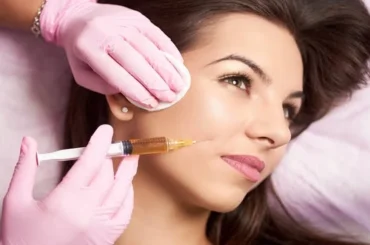
Skin-focused treatments therefore address a different component of facial ageing from treatments that influence muscle activity. For example, an HA skin booster is associated primarily with dermal hydration, while products described as a PDLLA Skin Booster are intended to target aspects of skin quality and collagen-related changes. Their suitability and expected effects depend on the specific formulation and individual clinical assessment.
Overall, wrinkle development results from an interaction between repeated facial movement and gradual changes in skin structure. Considering both factors provides a clearer explanation for why facial lines change in appearance over time.
FAQs
Are all facial wrinkles caused by repeated expressions?
No. Facial movement contributes particularly to expression-related lines, but intrinsic ageing, UV exposure, smoking and changes in skin structure can also influence wrinkle formation.
What is the difference between dynamic and static wrinkles?
Dynamic wrinkles are most visible during facial movement. Static wrinkles remain noticeable when the facial muscles are relaxed.
Can dynamic wrinkles become permanent?
Repeatedly folded areas can develop lines that remain visible at rest as skin structure and elasticity change with age. These are generally described as static wrinkles.
Why are wrinkles often noticeable around the eyes?
The eye area has relatively thin skin and experiences frequent movement from blinking, smiling and squinting. These characteristics can make expression-related lines particularly noticeable.
Does skin hydration prevent wrinkles?
Hydration can affect the appearance and function of the skin, but wrinkle development involves multiple factors, including ageing, collagen and elastin changes, UV exposure and repeated facial movement.
Visit Halley Medical Aesthetics to consult a qualified aesthetic professional for an assessment based on your skin condition and treatment goals.