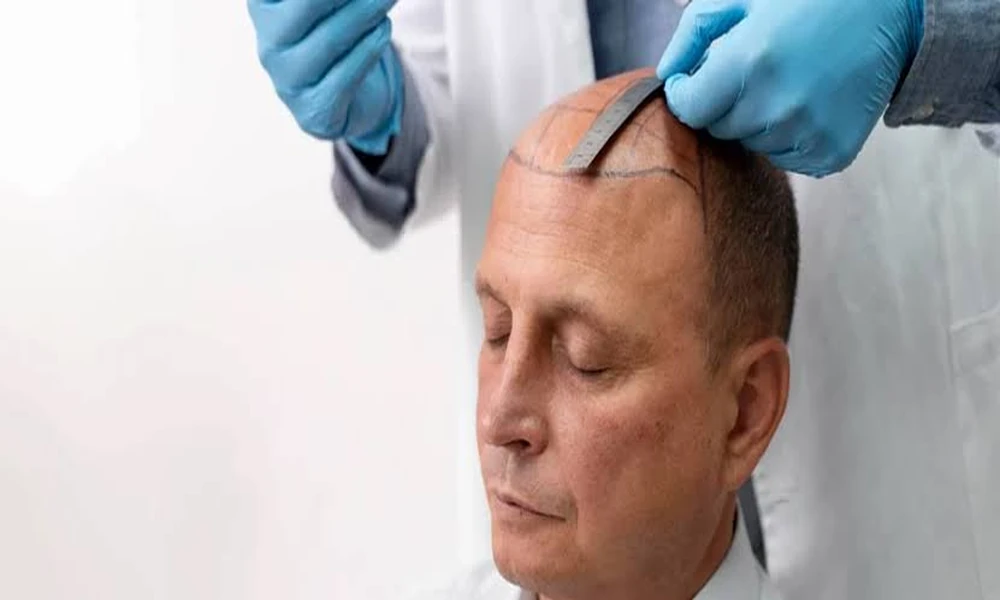
Hair restoration decisions often involve more than choosing a procedure. People usually want to understand how a clinic plans treatment, evaluates existing hair, manages expectations, and considers future changes. These details can affect how natural and manageable the outcome feels over time.
When someone searches for a dhi hair transplant clinic, they are often comparing planning standards, practitioner experience, consultation quality, aftercare, and long-term considerations. Price may matter, but it should not be the only point reviewed.
A lack of structure can make comparison difficult. Clinics may describe similar services in very different ways. Without clear evaluation points, people may focus on attractive images, short-term results, or simple promises while overlooking planning and follow-up care.
Build a Structured Comparison
A structured approach makes clinic comparison more consistent. It replaces instinct with clear questions and measurable details. This matters because hair patterns, donor supply, age, and future thinning can vary between individuals.
- A useful framework should cover several areas before any decision is made.
- Review practitioner qualifications and relevant experience.
- Ask who performs each part of the procedure.
- Discuss current and possible future hair loss.
- Examine realistic examples from comparable cases.
- Understand how donor hair will be managed.
- Request clear information about aftercare.
- Compare costs using the same service details.
- Ask how complications or concerns are handled.
These points create a common standard. They also make differences between clinics easier to identify.
Assess Long-Term Hair Planning
Long-term planning considers how hair may change years after a procedure. A hairline that appears suitable today should still look balanced if nearby natural hair becomes thinner.
During consultation, the practitioner should review current density, donor availability, age, and likely progression. The proposed design should use donor hair carefully rather than treating it as an unlimited resource.
The difficulty is uncertainty. Nobody can predict future hair loss perfectly. Planning can reduce this uncertainty, but it cannot remove it.
Review Donor Hair Management
Donor hair usually comes from areas where growth is more stable. This supply is limited. Careful management is therefore an important part of treatment planning.
A clinic should explain how donor areas are assessed and how many grafts may be appropriate. The plan should also consider whether some donor capacity should remain available for possible future needs.
One limitation is that donor density differs between people. A plan suitable for one person may not be realistic for another.
Examine Hairline Design Carefully
Hairline design affects the overall appearance of a transplant. The lowest or densest possible hairline is not automatically the most suitable choice.
A thoughtful design considers facial proportions, age, existing growth, donor supply, and possible future thinning. Small variations can help the result fit naturally with surrounding hair.
This is where comparing a dhi hair transplant clinic becomes more detailed. Different practitioners may recommend different designs. The challenge is separating reasonable professional differences from plans that use too much donor hair too early.
Follow a Practical Decision Plan
A simple process can prevent rushed choices. Each stage should provide information needed for the next decision.
- Define realistic short- and long-term hair goals.
- Research several clinics using consistent criteria.
- Check practitioner qualifications and procedure responsibilities.
- Attend detailed consultations before comparing recommendations.
- Ask about future thinning and donor preservation.
- Review comparable results with consistent photography.
- Compare written treatment plans and total costs.
- Understand recovery instructions and follow-up support.
- Allow time before making the final decision.
- Keep copies of consultation notes and treatment details.
This approach makes comparison easier. It also reduces the influence of isolated claims or attractive pricing.
Frequently Asked Questions
- What should be checked first when comparing clinics? Start with practitioner qualifications, treatment responsibilities, donor assessment, planning standards, and follow-up care.
- Why does donor hair matter? Donor supply is limited. Careful use can preserve options if further hair loss occurs later.
- Should price decide the clinic choice? No. Cost should be considered alongside experience, planning quality, safety standards, responsibilities, and aftercare.
- Are before and after photos reliable? They can be useful when cases are comparable. Lighting, styling, angles, and recovery timing should also be considered.
- Why should future hair loss be discussed? Existing natural hair may continue thinning. Future changes can affect how a transplanted area looks years later.
Consistency Supports Better Decisions
Choosing a clinic should be treated as a careful evaluation rather than a quick purchase. Clear goals, structured comparisons, realistic expectations, and regular review provide a stronger basis for decisions. Perfect certainty is rarely possible. Consistent research and careful execution are more useful than trying to find a flawless option.