There is a particular kind of worry that starts with the bathroom floor. A few more hairs than usual after washing. More strands caught in the brush. Perhaps the parting looks a little different in the mirror.
The first reaction is often to buy something. A new shampoo. A scalp treatment. Another bottle because the last one did not seem to do much.
That can be fine for ordinary hair care. It becomes less useful when the change keeps going and nobody is quite sure why. For people searching for trichologist malaysia, it may be worth understanding what a proper hair and scalp assessment can add before buying yet another product.
The useful part of a consultation is not necessarily a treatment. Sometimes it is simply getting a better idea of what is going on.
What Happens During a Hair and Scalp Assessment
A consultation gives the concern a little more context.
The discussion can begin with something fairly simple. What has changed? When was it first noticed? Has the change stayed about the same, or does it seem to be getting more noticeable?
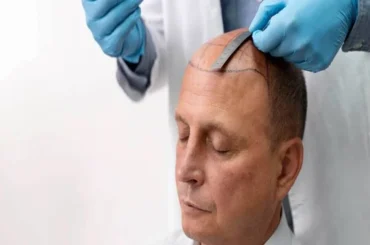
The hair and scalp can then be looked at more closely. A specialist may consider the condition of the scalp, the pattern of thinning or shedding and the concerns described during the consultation.
That matters because “my hair is falling out” does not tell the whole story.
The person may actually be more troubled by a change in density. Someone else may have an ongoing scalp concern at the same time. Another person might have noticed something recently and simply want it looked at.
Starting with the actual concern makes more sense than jumping straight to a product.
A Few Signs Worth Taking Seriously
Nobody needs to count every strand that comes loose during a shower. Some shedding is part of normal hair activity.
A noticeable change is different.
It may help to make a note if there is:
- More shedding than the person normally notices
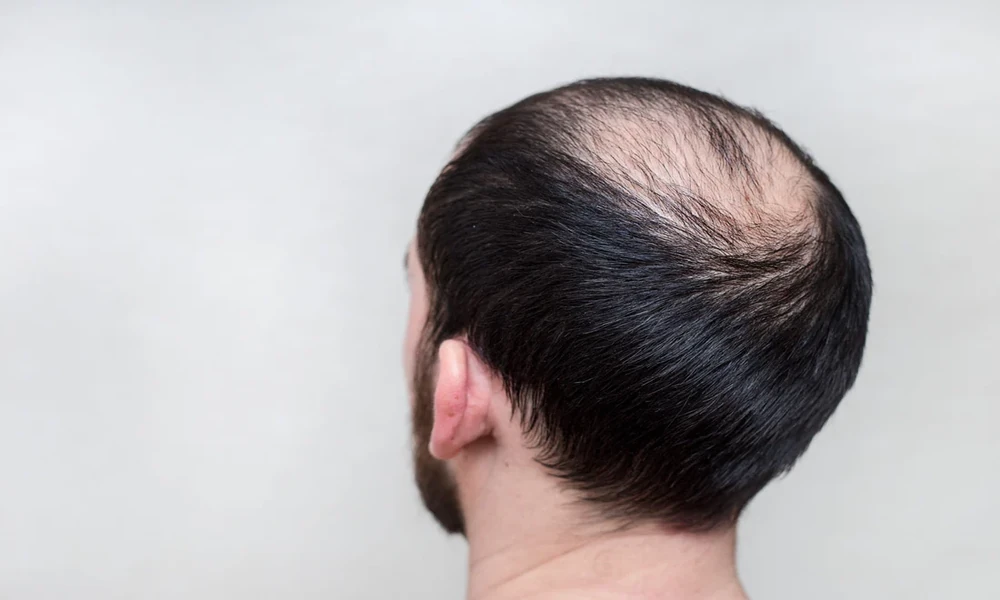
- Thinning that seems to be becoming easier to see
- A scalp concern that keeps coming back
- Persistent flaking or unusual oiliness
- A change that has continued after ordinary hair care adjustments
- A hair or scalp concern that is becoming difficult to ignore
None of these points gives a diagnosis. They are observations.
That distinction matters. A person can notice something unusual without knowing what caused it. That is exactly where professional assessment can be more useful than trying to work it out from product labels.
Questions Can Make the Appointment More Useful
It helps to remember what happened before the appointment.
It is also worth mentioning products that have already been tried. There is no benefit in pretending the bathroom shelf is empty. If several shampoos, treatments or other products have already been used, that is part of the story.
The same goes for timing. If the hair seemed different after a particular change in routine, mention it. It may turn out to be relevant or it may not. That is for the assessment to establish.
Not Every Hair Concern Needs the Same Approach
Hair concerns can look similar from the outside.
Two people might both say their hair is thinning. One may be mainly concerned about the amount of hair coming out. The other may have noticed a change in the appearance of the scalp. Their concerns sound alike, but that does not mean they need the same discussion.
This is one reason copying somebody else’s hair routine can be frustrating.
A product that suited a friend may not address the issue another person is dealing with. The same goes for advice found in a comment section or a social media video. It may be useful background, but it cannot replace looking at the individual concern.
A consultation can at least put the focus back on the person experiencing the change.
Persistent shedding, visible thinning or continuing scalp changes can be worth discussing when they are causing concern. For someone searching trichologist malaysia, the useful next step is to focus on getting the hair and scalp concern properly understood rather than continuing to guess with different products.