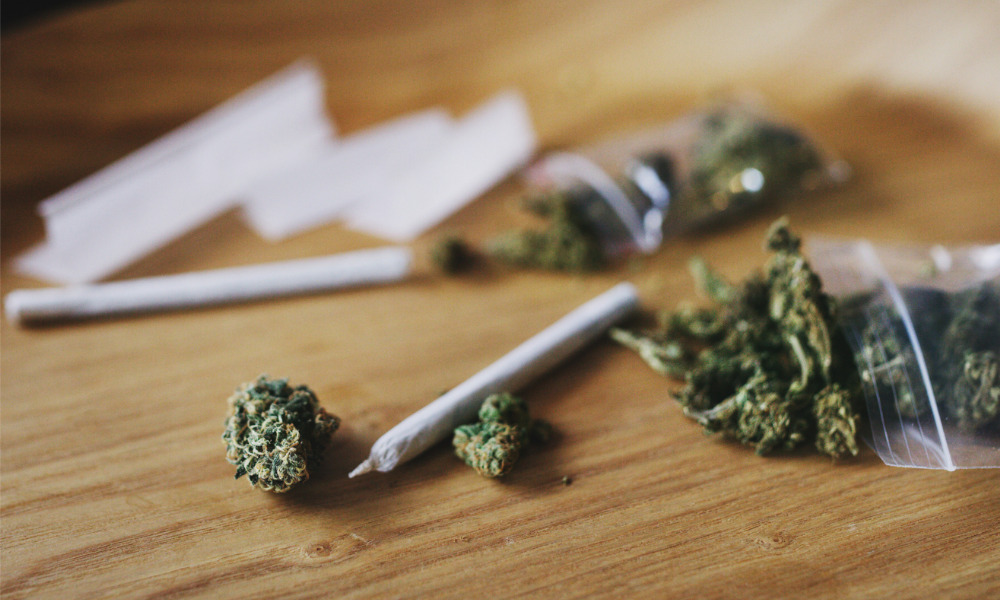
Marijuana influences your sleep.
The use of marijuana can alter the way you sleep and the quality of your sleep. Some people may fall asleep sooner after using it, but studies discussed on platforms like hamiltonweeddelivery.co have shown that marijuana can also reduce the duration of rapid eye movement (REM) sleep, which is the stage most closely linked to dreaming and emotional processing.
The effect of marijuana on your studies.
Research conducted on a population of college students shows that there is a correlation between marijuana use and poor performance at school. Indicatively, the Maryland College Alcohol Survey conducted over several years showed that students who had not used marijuana in the last year had higher GPAs as compared to those who had used marijuana.
Marijuana is a drug with numerous components.
More than 100 chemical compounds from which marijuana consists are known as cannabinoids. Two of them are the most well-known: tetrahydrocannabinol (THC) and cannabidiol (CBD). The primary psychoactive component responsible for the sense of the high is THC, and the primary component that is anything but known to cause a high is CBD, which is currently under investigation by researchers into potential therapeutic use, including the treatment of some types of epilepsy.
The strength of marijuana has gone up in a great way.
The strength of marijuana as expressed through the level of THC has increased several-fold since the 1960s. As compared to marijuana, which was old and hardly had a high of 2 per cent THC, the current product has 17-28 per cent THC and concentrated extracts may go up to 100 per cent. This increase in strength has been attributed to more mood and cognitive effects, and perhaps to increased risk of dependence and mental health problems.
The legal position of marijuana is different.
The laws on marijuana vary. In other locations, possession is decriminalized such that when one is found to be in possession of small quantities, they may be given a fine instead of facing criminal prosecution. Others permit medicinal use with a prescription from the doctor and an increasing number permit recreational use under restricted conditions that include age restriction and licensing of the place of consumption.
Delayed effects and Edibles can make it risky.
Edibles, some of the products such as foods impregnated with marijuana, will take a longer time to take effect. Such a delay may make the users take more than what they had planned and this can cause acute toxicity with marijuana. The symptoms can encompass panic, anxiety, poor coordination, delirium and muscle spasms.
Withdrawal is possible when one gives up.
The withdrawal may appear in frequent marijuana users who quit or reduce their consumption, including physical and psychological symptoms, such as irritability, insomnia, mood swings, inability to concentrate, and nausea. These responses demonstrate that marijuana can make people addicted.
Combining alcohol with marijuana is more dangerous.
When alcohol is used together with marijuana or used simultaneously, it can cause more harm than using either of them. Among the risks are increased impairment of judgment and coordination, unsafe behaviour, accidents, and social or health issues.
There are support resources.
In case anyone wants to change his or her relationship with marijuana, numerous educational and support services are available. They might involve personal consultations with health educators and self-assessment online tools to make people think over their usage and make a positive choice.