The human body functions through specific movement patterns. One essential pattern involves pulling weight toward the torso. This action builds the posterior chain effectively. A dedicated pull day workout focuses on these vital muscles. You will target the back and the biceps. Rear deltoids also receive significant attention during these lifts. Proper structure ensures balanced growth and prevents injury. Now you can master the art of pulling. Consistency brings visible changes to your physical frame. The journey toward a stronger back begins today.
The Foundation of Vertical Pulling Exercises
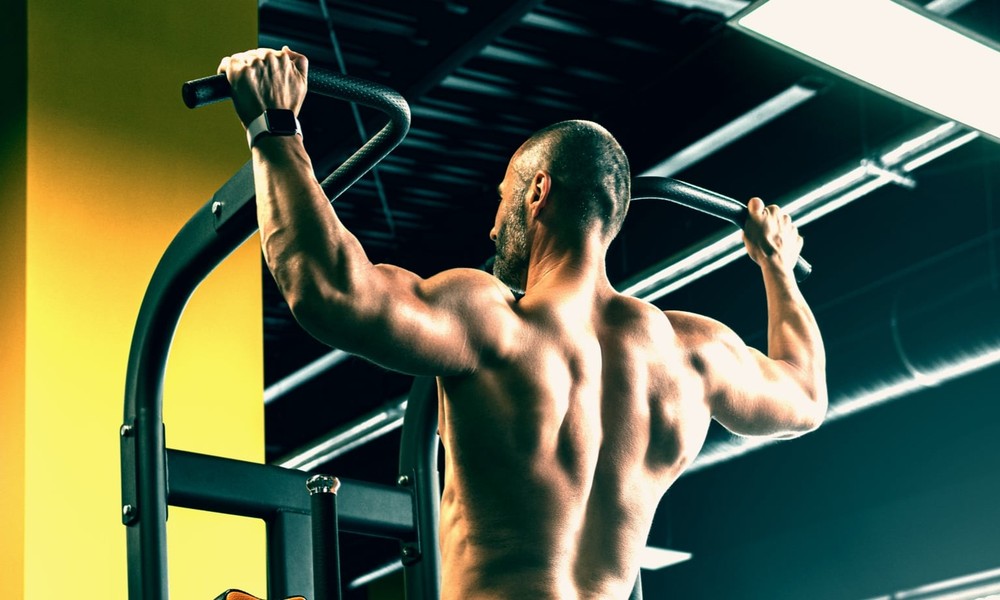
Vertical pulling starts with the classic pull-up movement. You grab the bar with a wide grip. The lats stretch fully at the very bottom. You pull your chest toward the cold steel. Gravity provides a natural resistance for your muscles. Sometimes beginners find this exercise quite difficult to master. So you might use a thick resistance band. The band assists your ascent to the top position. Now your lats will grow wider and much thicker. You must control the descent for maximum muscle fiber recruitment. Solid form beats high repetitions every single time.
Horizontal Rows for Mid Back Thickness
Horizontal rowing movements build the middle of the back. You pull the weight toward your lower stomach area. The seated cable row remains a very popular choice. You sit tall with a slight bend in knees. The handle moves slowly toward your strong abdominal muscles. You squeeze your shoulder blades together at the peak. This contraction creates a dense and powerful look. Sometimes the barbell row offers a more rugged challenge. You bend at the hips while keeping spine straight. The heavy bar travels vertically against the pull of gravity. But you must avoid using momentum during the lift.
Isolate the Rear Deltoids for Complete Shoulders
Rear delts often get neglected in standard pressing routines. These small muscles sit on the back of shoulders. You can target them with face pulls or flies. The cable machine works well for constant tension. You pull the rope toward your forehead with flare. The elbows stay high to engage the correct fibers. Sometimes dumbbells provide a great alternative for this task. You lean forward and raise the weights out wide. The movement resembles a bird flapping its large wings. Now your shoulders will look round from every angle. Precision matters more than heavy weight for rear delts.
Bicep Curls for Arm Peak and Strength
Biceps provide the finishing touch for a pulling session. These muscles assist in every major back exercise. Now you isolate them with specific curling variations. The straight barbell curl builds overall mass and power. You hold the bar with an underhand grip firmly. The weight moves in a smooth and controlled arc. Sometimes the incline dumbbell curl offers a deeper stretch. You sit back on a slanted gym bench. The arms hang straight down toward the rubber floor. But you should keep the elbows tucked very tightly. Constant tension makes the biceps grow larger over time.